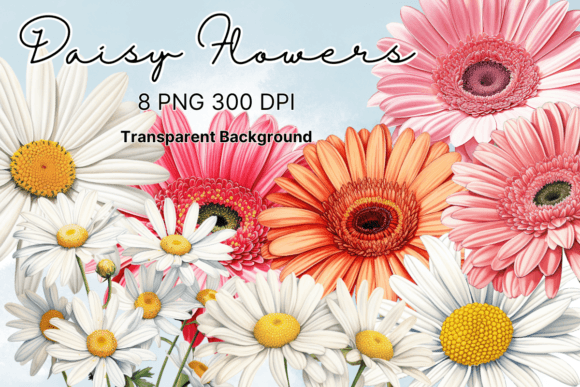
Daisy Flowers Watercolor Clipart: Graphics for Local Branding
As a brand designer, I often look for graphic design assets that can elevate small business branding without overwhelming the overall aesthetic. Daisy Flowers Watercolor Clipart is one such asset that brings a soft, organic feel to any project. Its delicate strokes and pastel tones evoke a sense of warmth and creativity, making it ideal for businesses that want to communicate a handmade or artisanal vibe.
Mood and Brand Personality
The Daisy Flowers Watercolor Clipart exudes a friendly, approachable energy. The gentle lines and muted color palette suggest a brand that values simplicity, nature, and authenticity. This makes it perfect for local businesses like a boutique flower shop, a handmade soap company, or a cozy coffee house looking to create a welcoming visual identity.
It doesn’t feel overly formal or corporate, which means it’s best suited for brands that want to appear more personal and relatable. Whether you're designing product labels or social media graphics, this clipart adds a touch of elegance without being too flashy.
Real-World Applications for Small Business Branding
One of the first places I’d consider using Daisy Flowers Watercolor Clipart is in product packaging. For a small business selling eco-friendly candles or organic skincare products, this clipart could serve as a subtle accent on the label or as a background element on a hang tag. It also works well as a decorative border on thank-you cards or promotional flyers.
In logo design, this clipart could be used as a secondary icon or integrated into a custom typography layout. For example, a bakery might use it as a flourished detail next to their name, reinforcing a warm, homey feel. Similarly, a children's product brand could use it in a playful way on packaging or digital ads.
When it comes to marketing visuals, Daisy Flowers Watercolor Clipart is a great fit for social media content. It can be used as a background element in Instagram posts, Facebook ads, or even as a header image on a website. Its versatility makes it an excellent choice for creative entrepreneurs who need a consistent visual language across multiple platforms.
Supporting Business Presentation
Using Daisy Flowers Watercolor Clipart can significantly enhance a business’s presentation. It helps create a stronger first impression by adding a unique visual element that stands out from generic stock images. This is especially important for small businesses competing in crowded markets.
It also supports better product recognition. A consistent visual theme across packaging, labels, and promotional materials helps customers identify and remember a brand more easily. This is crucial for local businesses that rely on repeat customers and word-of-mouth marketing.
Additionally, this clipart contributes to a clearer visual hierarchy. By using it as a decorative element rather than the main focus, it allows key information like product names, pricing, and brand messaging to remain prominent. This ensures that the design remains professional while still feeling inviting and artistic.
Where It Works Best
Daisy Flowers Watercolor Clipart shines in situations where a soft, natural aesthetic is desired. Product labels, for instance, benefit from its gentle style, making them more appealing to customers who value handmade or eco-conscious products. It also works well as a hero graphic on a website banner or as part of a seasonal campaign for a boutique store.
For a handmade soap business, this clipart could be used in a printable design for a gift box or as a decorative element on a product mockup. In a coffee shop setting, it could be incorporated into a menu graphic or a branded sticker for reusable cups.
Where to Use It Carefully
While Daisy Flowers Watercolor Clipart is versatile, there are certain scenarios where it may not be the best fit. In formal corporate branding, for example, its whimsical style could clash with a more structured or minimalist approach. Similarly, it may not work well on very small labels where details can get lost.
If a product label is already cluttered with text or ingredient lists, adding this clipart could make it harder to read. It should also be avoided in areas where legal information or low-contrast backgrounds are present. For luxury or minimalist brands, the clipart might feel too busy or outdated.
Practical Designer Notes
Before finalizing any design, I always test the clipart on real packaging mockups to see how it looks in different sizes and formats. Checking how it appears in black and white is also important, especially if the business plans to print materials in monochrome.
Previewing it on small labels ensures that the details remain visible and legible. Testing it with the brand’s color palette helps maintain consistency, and comparing it with competitor packaging can highlight how unique the design will be in the market.
Print quality is another factor to consider. If the business plans to use this clipart on physical products, ensuring that the PNG or SVG files are high resolution is essential. Reviewing the transparency of the PNG files and inspecting the editability of the SVGs can save time during the design process.
Testing the clipart alongside different font styles—such as serif, sans serif, script, or handwritten fonts—can help determine how it interacts with the overall design. Finally, confirming the commercial license is a must, especially when using the asset for client work or physical product sales.
Conclusion
Daisy Flowers Watercolor Clipart is a valuable graphic design asset for local businesses looking to add a soft, artistic touch to their branding. Whether used in product packaging, social media graphics, or promotional materials, it offers a versatile and elegant solution for small business owners, handmade sellers, and creative entrepreneurs.