Floral and Flower Coloring Pages
As an embroidery designer with years of experience, I always start by evaluating a design’s potential before using it in real projects. Floral and Flower Coloring Pages caught my attention for their elegant, nature-inspired aesthetic. These designs feel like they were made for both personal and commercial use, offering a timeless appeal that can work across a wide range of products.
The First Impression: Mood, Layout, and Visual Personality
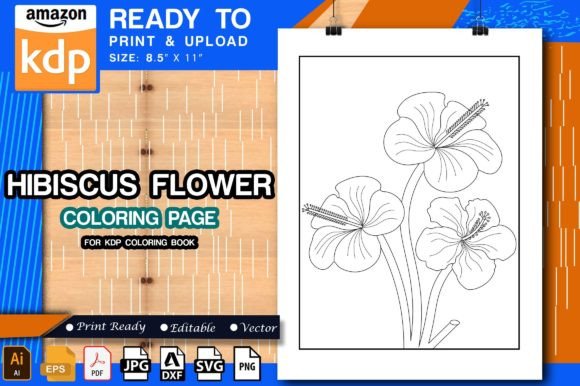
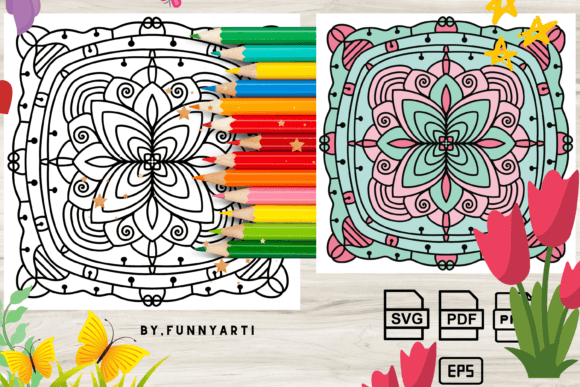
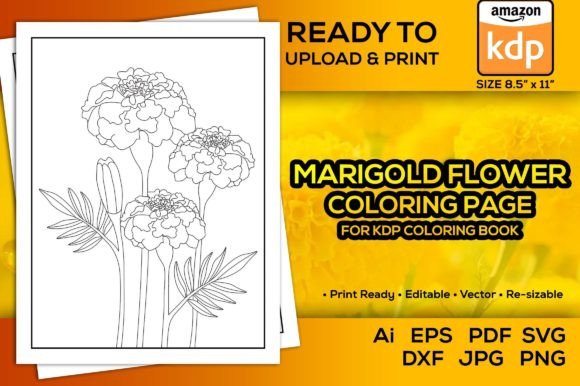
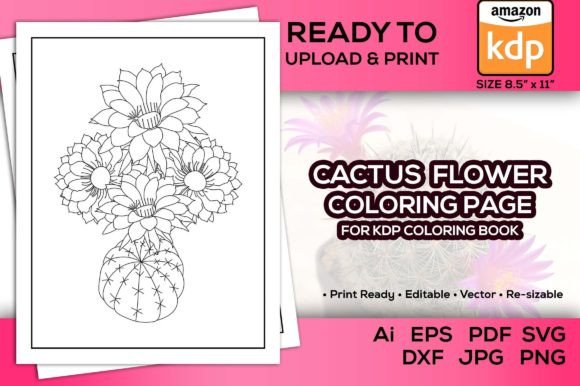
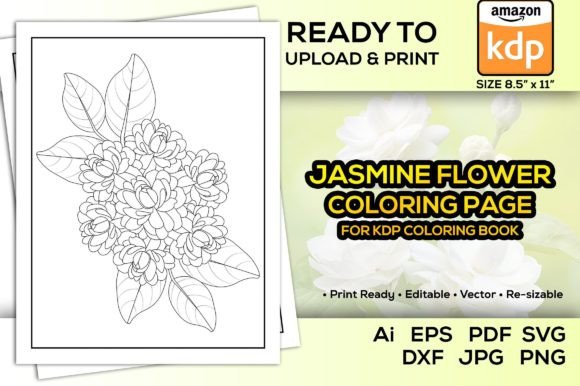
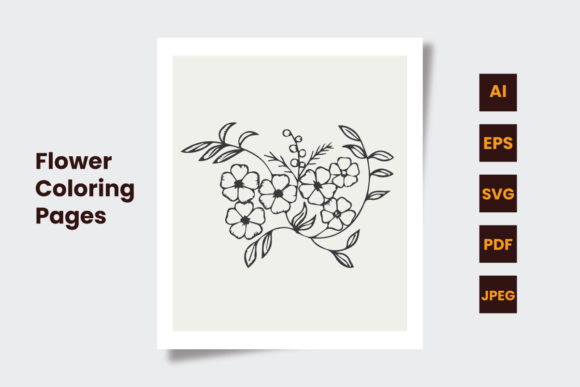
From the first glance, Floral and Flower Coloring Pages exude a calm, artistic energy. The floral motifs are intricate yet not overwhelming, with a balance of detail and negative space that makes them versatile. The layout feels intentional—each page is structured to allow for easy coloring or embroidery without feeling cluttered.
The visual personality of these pages leans toward botanical art, making them ideal for handmade products that aim to evoke a sense of peace or natural beauty. They’re perfect for items like tote bags, sweatshirts, or baby onesies where a soft, decorative element is desired.
Real-Life Embroidery Use Cases
When considering how Floral and Flower Coloring Pages would translate into actual embroidery projects, several applications come to mind. For example, a custom embroidered tote bag featuring these designs could be a hit at a craft fair or online store. The floral patterns add a touch of elegance without being too busy, making them suitable for both casual and more refined settings.
For small business owners or Etsy sellers, these designs could serve as a base for printable mockups or digital product previews. They also have potential as part of a downloadable collection for other designers looking to create their own embroidery files.
In the realm of custom apparel, these pages could be adapted into machine embroidery designs for t-shirts, sweatshirts, or caps. Their structure allows for easy conversion into applique designs or fill stitches, depending on the desired effect.
Where to Be Cautious
While Floral and Flower Coloring Pages offer a lot of potential, there are certain scenarios where care is needed. If you're working with small hoop sizes, the detailed elements might be challenging to stitch accurately. Similarly, textured or stretchy fabrics could distort the design if not stabilized properly.
On dark fabrics, the contrast between the thread colors and the background becomes critical. If the design is meant for a black or navy garment, selecting the right thread colors will be essential to ensure visibility and clarity. Thin or delicate fabrics may require additional stabilizer support to prevent puckering or distortion during stitching.
For curved surfaces like caps or baby headbands, the design’s corners and edges need careful attention. Tiny lettering or dense stitch areas could become problematic if not adjusted for the specific application. It’s also worth noting that these designs may not be ideal for layered garments where multiple embroidery layers are involved.
Impact on Visual Appeal and Customer Perception
Floral and Flower Coloring Pages can significantly enhance the visual appeal of any finished product. When stitched well, they add a professional touch that elevates the perceived value of handmade items or commercial embroidery projects. Customers often associate intricate, well-designed embroidery with quality, which can help build trust and encourage repeat purchases.
These designs also contribute to brand consistency when used across a product line. Whether it's a boutique clothing brand or a craft business selling personalized gifts, having a cohesive design style helps reinforce brand identity. The floral theme is universally appealing, making it a safe choice for a wide audience.
From a giftability perspective, these designs are excellent for occasions like weddings, birthdays, or holidays. A custom embroidered pillow cover or kitchen towel featuring Floral and Flower Coloring Pages can make a thoughtful, meaningful present that stands out from generic options.
Practical Designer Notes
Before committing to a project, I always recommend testing the design on scrap fabric. This helps identify any issues with stitch density, thread color contrast, or overall appearance. Checking the design in black and white mockups can also reveal how it will look on different fabric backgrounds.
It’s important to confirm the hoop size required for the design and ensure that your embroidery machine can handle it. For smaller details, a larger hoop may be necessary to maintain precision. Using the right stabilizer is crucial, especially when working with delicate or stretchy fabrics.
If you plan to sell finished products or digital files, double-check the licensing terms. Even though Floral and Flower Coloring Pages seem versatile, understanding the usage rights ensures you’re compliant with any restrictions. For commercial projects, confirming that the design works well on both light and dark fabrics is a smart step.
Conclusion: A Versatile Design for Many Uses
Floral and Flower Coloring Pages offer a rich, adaptable foundation for a variety of embroidery projects. Whether you're creating custom apparel, personalized gifts, or small shop merchandise, these designs can fit naturally into your product lineup. With proper preparation and attention to detail, they can become a valuable addition to your creative toolkit.